

Generative AI is dazzling, but Artificial Intelligence has been shaping our world for decades.
The real challenge for companies is not to “do AI”, but to solve problems with it.
Artificial Intelligence is enjoying the spotlight as if it were a brand-new invention. ChatGPT, Midjourney and Stable Diffusion have triggered a wave of fascination and fear in equal measure. Yet the truth is far less glamorous: AI is not new at all. It has been with us for more than seventy years.
In the 1980s, so-called expert systems were already making their way into business.
MYCIN helped doctors diagnose infections, while XCON configured Digital Equipment’s computers. Banks used AI to spot fraudulent transactions, insurers to score risks, and telecom operators to optimize their networks. AI was already everywhere, though no one thought of writing breathless headlines about it.
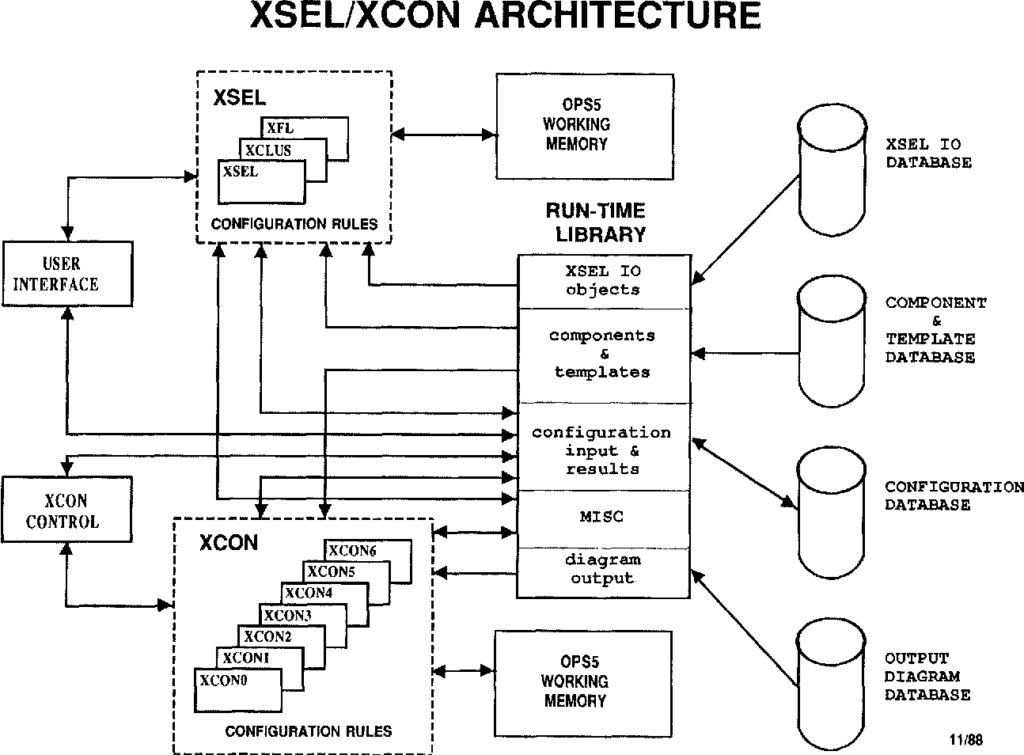
XCON, an expert system used by Digital Equipment Corporation, automated the configuration of complex computer systems and saved millions in operational costs.
What has changed
What has changed is the rise of generative AI, a branch of the discipline designed not to classify or predict, but to create.
The latest systems generate human-like text, photorealistic images or even snippets of music. They feel fresh because they produce visible and often astonishing results. But they are still just one branch of a much older tree.
Is this just hype?
Everyday technology illustrates the point. When your car’s windshield wipers activate automatically at the first drops of rain, or when its LED headlights adjust to avoid dazzling an oncoming driver, that is a form of AI at work. Technically, these features simulate human judgment and act upon it. In practice, they are algorithms embedded in control systems.
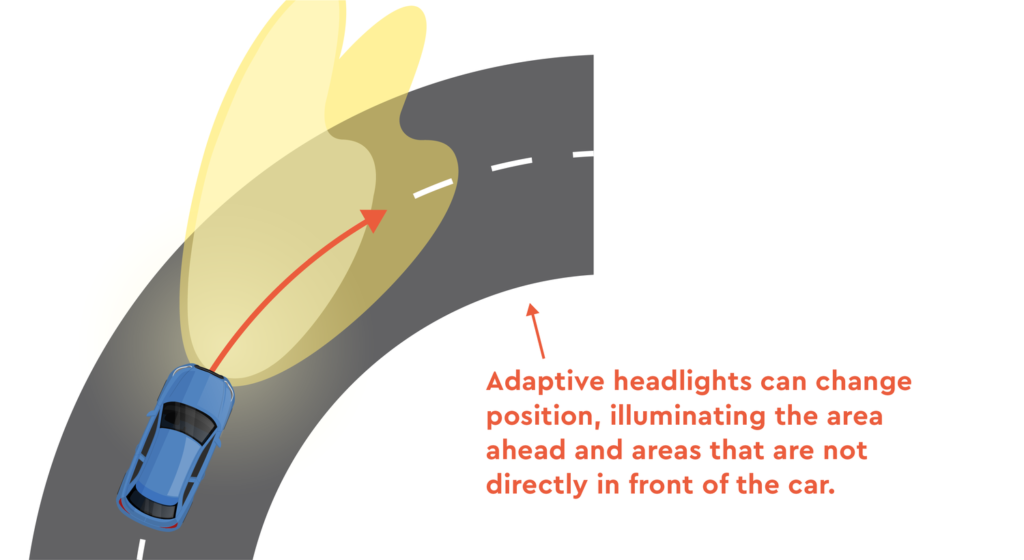
Driver assistance systems such as automatic wipers or adaptive headlights rely on embedded algorithms that simulate human judgment, long before generative AI.
If that already qualifies as artificial intelligence, why are we suddenly pretending that AI was invented only a few months ago?
The comparison with cloud computing is just as revealing. The cloud did not abolish datacenters. It simply repackaged them and made them easier to consume. Behind every cloud service, there are still servers and networks. What changed was the model, the scalability and, above all, the marketing.
Generative AI is the cloud moment of AI: a dazzling new wrapper, not the entire story.
The real lesson
History shows where hype leads. Gartner has been warning for years that sixty to eighty percent of AI projects fail. Companies rush to adopt the technology without asking why or how, without the right data to train models, and without the governance to sustain them. The result is predictable: proof-of-concepts that go nowhere and millions wasted.
This is not even a new problem. Expert systems collapsed in the 1980s for similar reasons. They were too complex, too rigid and too costly to maintain. The same mistakes risk being repeated today if executives chase the “AI” label instead of focusing on tangible business outcomes.
Artificial Intelligence is a toolbox, not a strategy. Generative AI is an extraordinary tool, but it does not erase decades of history. Success with AI has never come from chasing the latest buzzword. It comes from asking the right questions, building solid data foundations, and treating adoption as a matter of change management as much as technology.
AI has always been there: often invisible, sometimes banal, occasionally revolutionary. Generative AI may be its most glamorous incarnation to date, but the real challenge remains the same:
not how do we use AI, but how do we solve real problems with the right mix of tools, data, and people.
Closing
This article is adapted from the first edition of my newsletter Smart Sales with AI, where I explore how AI can support sales and business growth beyond the hype.